You’ve found your spot at Moorland Farm, the horses are approaching the course, and suddenly everyone around you seems to know exactly what they’re watching. But if this is your first Far Hills Race Meeting, you might have a few questions: What exactly is a steeplechase? What do the jockeys’ colorful silks mean? And what should you actually be watching once the race begins?
The good news: you don’t need to be a lifelong horse racing fan to enjoy the action.
With the 105th Running of the Far Hills Race Meeting taking place on October 17, 2026, now is the perfect time to learn the basics. Consider this your Steeplechase 101 guide to following the horses, understanding the race, and experiencing race day with a little more confidence.
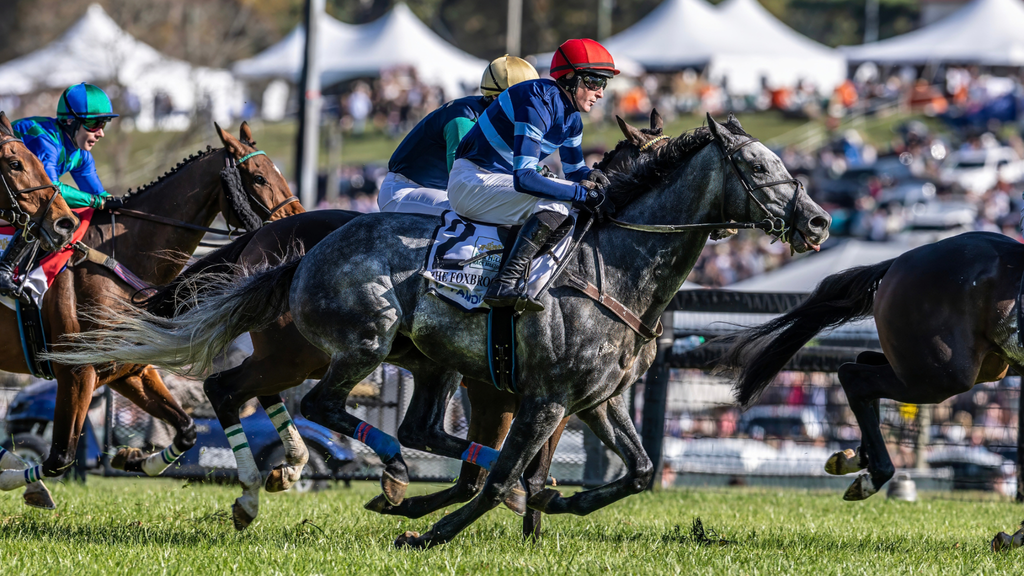
First Things First: What Is Steeplechase Racing?
At its simplest, steeplechase racing is horse racing over obstacles.
Unlike traditional flat racing, steeplechase horses race across turf while navigating a series of fences or hurdles along the course. That means winning requires more than speed. Horses and jockeys need stamina, jumping ability, timing, and the ability to maintain position while covering longer distances.
The sport’s history stretches back centuries. According to the National Steeplechase Association, modern steeplechasing developed from the hunting field, where horses and riders traveled across countryside that included fences, fields, and streams.
That history is still easy to recognize today. The combination of speed, endurance, and jumping is what gives steeplechase racing its distinctive character — and makes it so exciting to watch in person.
How Does a Steeplechase Race Work?
The basic objective couldn’t be simpler: complete the course correctly and cross the finish line first.
Getting there is the interesting part.
Each race has specific conditions that determine factors such as its distance and which horses are eligible to compete. Depending on the race, horses may also carry different assigned weights.
Once racing begins, don’t focus only on which horse is leading.
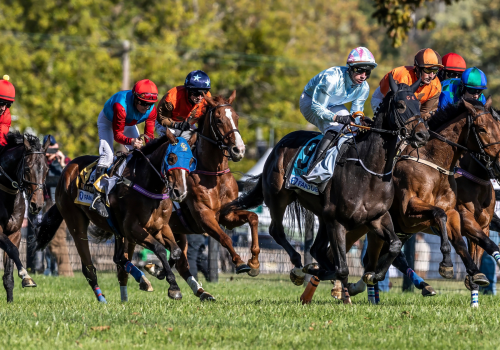
Watch how smoothly each horse approaches and clears the fences. Notice whether a jockey is conserving energy or beginning to move forward through the field. As the race progresses, stamina becomes increasingly important, and the final stages can look very different from the opening moments.
That strategy is part of the fun. A horse doesn’t necessarily need to lead from the beginning to be the one you should be watching.
For anyone who wants to dig deeper after learning the basics, the National Steeplechase Association’s racing resources offer results, standings, race replays, ratings, and other information from American jump racing.
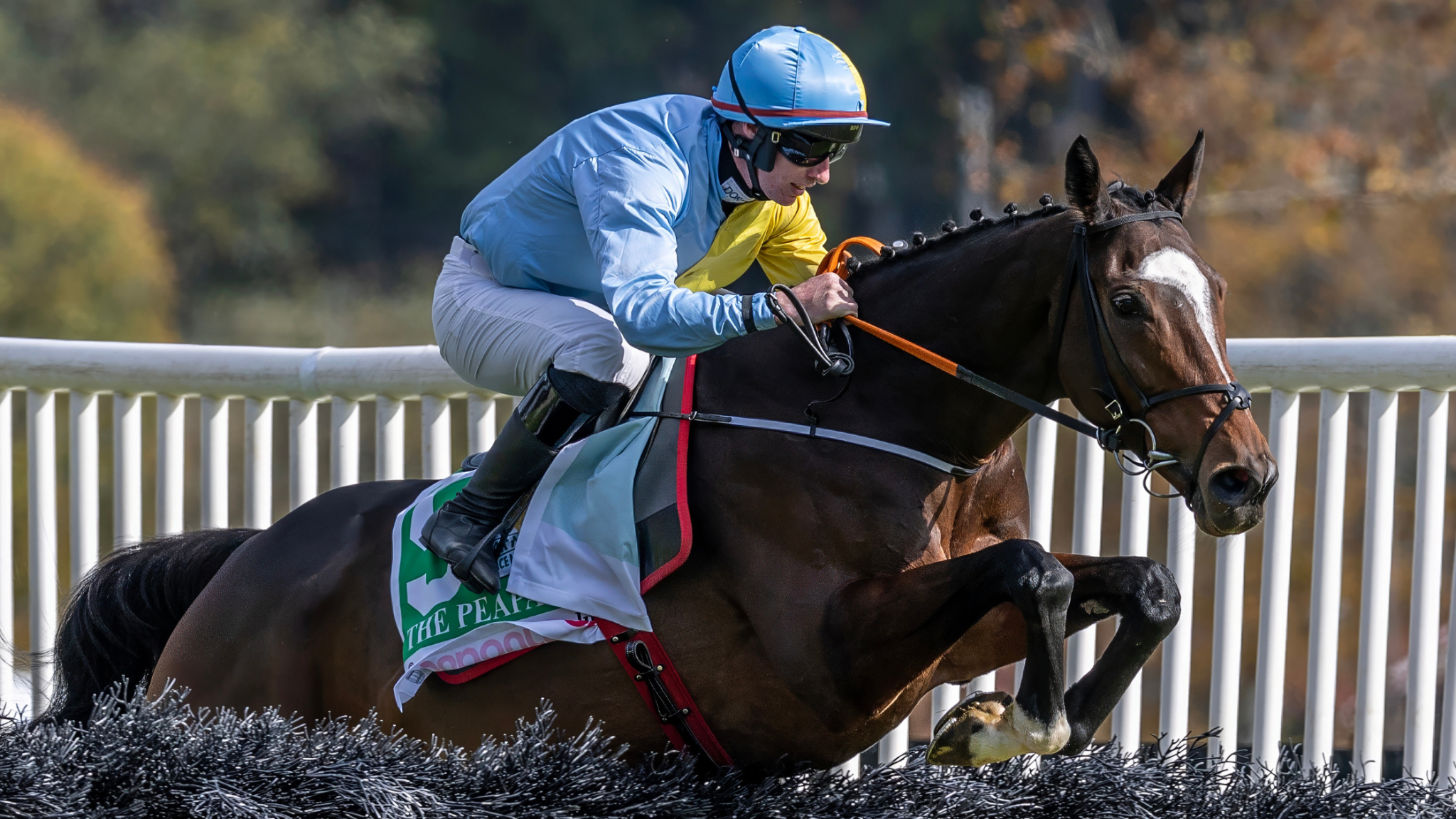
What Do the Jockey Silks Mean?
One of the easiest ways to follow a horse during a race is also one of the most colorful: the jockey’s silks.
Silks are the distinctive colors and patterns worn by jockeys. Rather than simply being a fashion choice, racing colors traditionally identify the horse’s owner or ownership interests. Different combinations of colors and designs make it easier to distinguish competitors as they move around the course.
Before a race, take a moment to match the horse you’re following with its jockey’s colors. Once the field is moving at full speed, spotting a recognizable combination of colors can be much easier than trying to read a number from across the course.
It’s a simple trick that can make following your first race much easier.
Your Race Program Is Your Cheat Sheet
If you’re new to horse racing, the race program may initially look like a lot of names and numbers. Think of it as your guide to the day’s competition.
A race program can help you identify the horses, jockeys, trainers, owners, race conditions, and other information associated with each race.
You don’t need to understand every statistic on your first visit.
Start by choosing a few things to follow. Find the horse’s name and number, identify the jockey’s silks, and look at who is riding and training the horse. As you become more familiar with racing, details such as previous performances and race conditions can add another layer to the experience.
The more you understand what you’re looking at, the less the program feels like a list of statistics and the more it starts telling a story about the field.
What Should You Watch During the Race?
Once the horses are underway, try watching more than the leader.
The jumps: Watch how confidently and efficiently horses clear each obstacle. Steeplechase jockeys must be skilled at riding over fences at racing speed.
Position: Some horses may race near the front, while others settle farther back before making a move later.
Pace: Going too fast too early can leave a horse without enough energy for the finish. Steeplechase racing rewards stamina as well as speed.
The jockey: Watch how the rider positions the horse approaching fences and throughout the field.
The finish: As the horses approach the closing stages, you’ll often see the strategy of the entire race come together. Horses that have conserved their energy may begin moving forward just as others start to tire.
Once you know what to look for, each race becomes much more than simply seeing which horse gets to the finish line first.
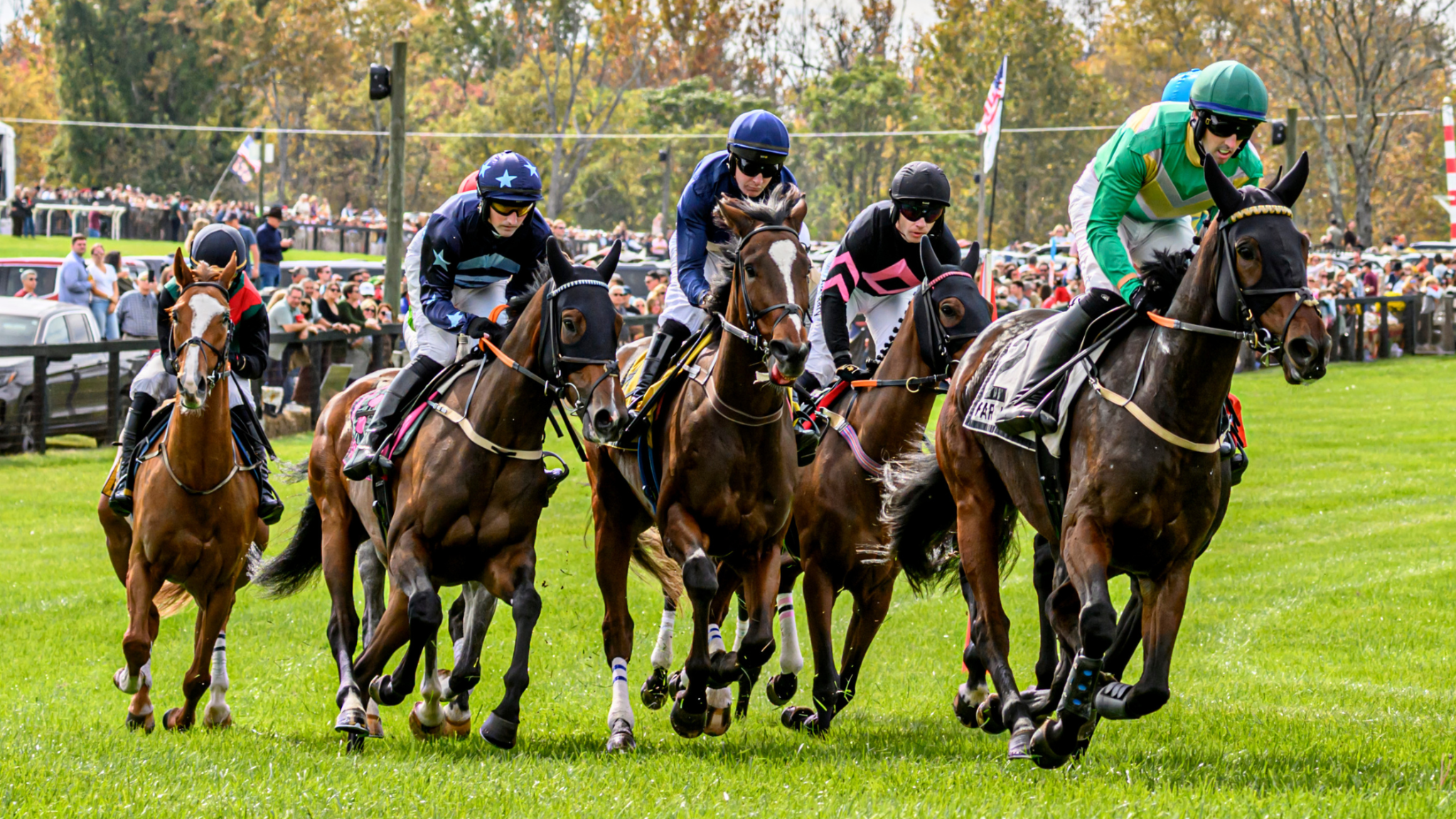
A Few Racing Terms Worth Knowing
You don’t need an entire racing dictionary to enjoy Far Hills, but a few terms can make race-day conversations easier.
A jockey is the rider competing aboard the horse, while a trainer is responsible for preparing the horse to race. The post time is the scheduled starting time for a race. The field refers to the group of horses competing, and a scratch occurs when a horse entered in a race is withdrawn before it runs.
You may also hear terms such as hurdle and timber, which refer to different forms of jump racing. The National Steeplechase Association governs American steeplechase racing and establishes rules, licensing requirements, and race standards for the sport.
Don’t worry about memorizing everything before you arrive. After watching a few races, much of the terminology starts making sense naturally.
Can Understanding the Race Help You Wager Smarter?
It can certainly help you make a more informed choice, but there’s no formula that can predict a winner.
Instead of choosing a horse solely because you like its name or silks, learning to read the race information can give you more context about the competitors. Understanding the field, previous performances, race conditions, and odds can make wagering more engaging because you better understand the reasoning behind your selection.
Keep it fun, set a budget in advance, and treat wagering as an optional part of the race-day experience — never a guarantee of winning.
Ready to Watch Far Hills Like a Racing Fan?
You don’t have to become a steeplechase expert before coming to Far Hills.
Learn a few basics. Pick out the silks. Follow a horse through the field. Watch how it handles the fences. And when the field turns toward the finish, you’ll have a much better understanding of why everyone around you is cheering.
On Saturday, October 17, 2026, the Far Hills Race Meeting returns to Moorland Farm for its 105th Running, bringing together world-class steeplechase racing and more than a century of New Jersey tradition.
Whether this will be your first race or your latest in a long line of Far Hills traditions, knowing a little more about the sport can make every jump, strategic move, and trip to the finish line that much more exciting.
Ready to put your new racing knowledge to work? Explore your race-day options and get tickets to the 2026 Far Hills Race Meeting.